Custom Silver Jewelry Component Specification: Chains, Clasps, Posts and Findings
A custom silver jewelry design is rarely only the visible pendant, ring or charm. Chains, clasps, posts, hooks, jump rings, bails and other findings determine how the product wears, moves, closes, ships and can be repeated. A component specification helps a buyer and manufacturer discuss the complete product before sampling. It also reduces the risk of approving a beautiful front view while missing a weak connection, incompatible finish or impractical packaging detail.
Why components belong in the first design brief
Component decisions affect structure, comfort, appearance, cost and production timing. A pendant may need a bail opening that matches a specific chain. A bracelet may require a clasp that suits both the weight of the links and the customer’s ability to open it. Earrings need the right post, hook, backing or connector for the intended silhouette. If these details are left until the final sample, a revision may affect dimensions, weight, tooling and packaging at the same time.
For private label and wholesale projects, the component record is also part of the reorder system. The approved sample should be connected to a product name, SKU, material, finish, target weight, dimensions, logo position and packaging reference. This gives the buying team something more useful than a product photograph: it creates a repeatable definition of the item. At 925 Pro, the team reviews the product as a complete construction rather than pricing only the most visible part.
- Product type and intended use
- Component name, size and reference image
- Material and surface finish
- Connection method and functional check
- Target quantity, packaging and destination market
Chains and extenders: specify movement and proportion
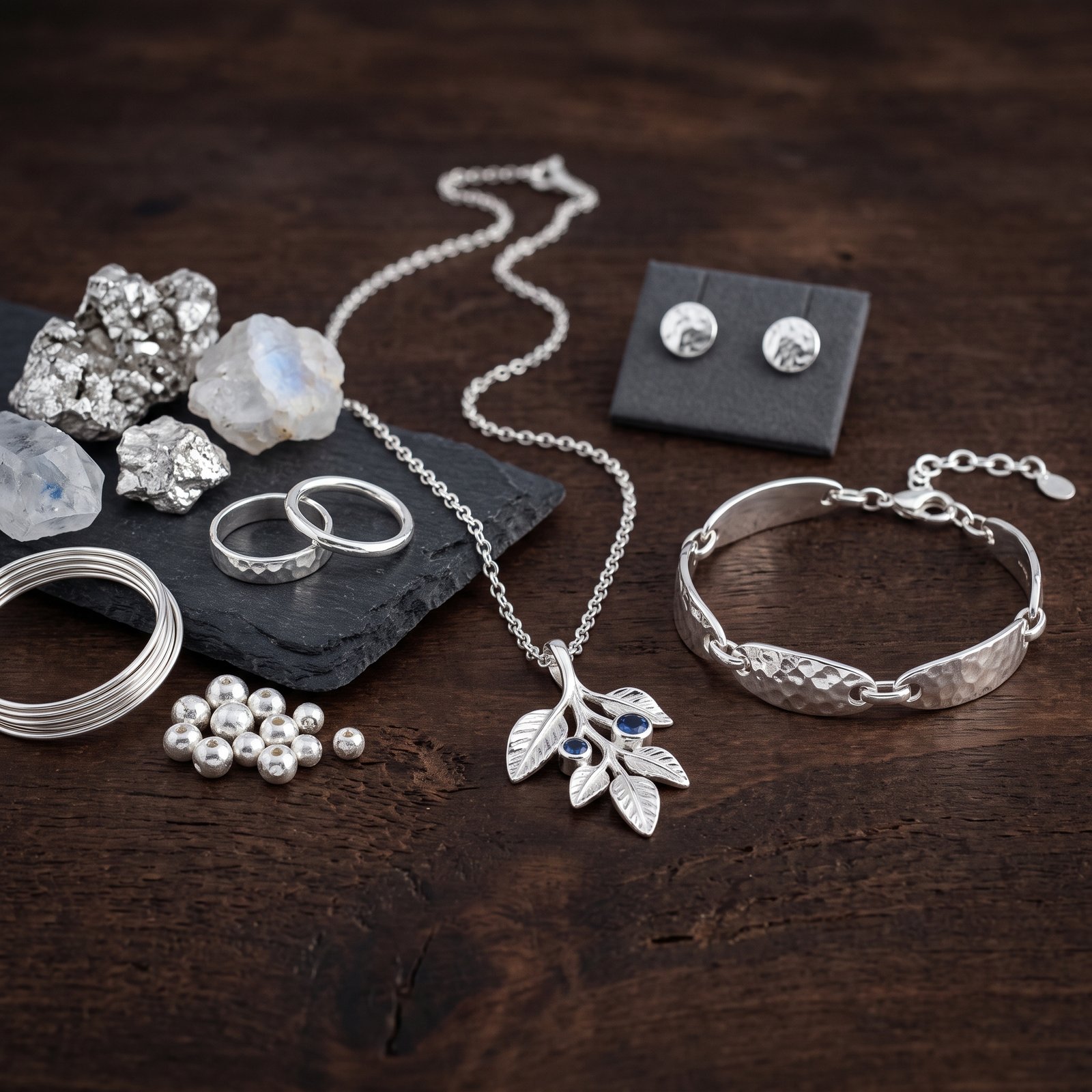
A chain specification should cover length, link style, link scale, wire or section profile, clasp, extender, end tags and connection points. The same pendant can feel delicate or heavy depending on the chain selected. A short necklace may need a different extender position from a longer one, while a bracelet should be checked for how the clasp and extender sit on the wrist. When the chain is part of a collection, record whether it is a standard component or a custom-developed element.
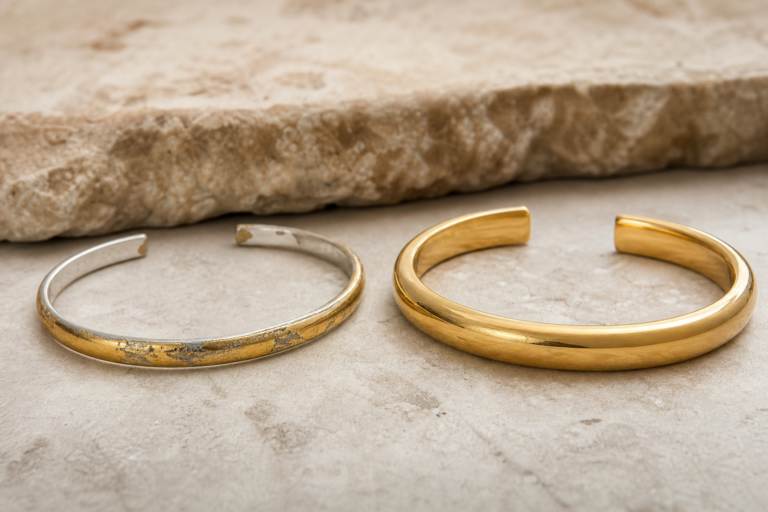
Ask to review the chain with the actual pendant or bracelet, not in isolation. Look at how the product hangs, whether the bail moves freely, whether links rub against the design, and whether the clasp can be operated without damaging the finish. If a gold or rose gold plated surface is requested, the sample should show the complete assembled product because edges and connection areas may be finished differently from broad flat surfaces.
- Nominal length and extender length
- Link profile, thickness and opening size
- Clasp type and operating direction
- End tag, jump ring and connection size
- Whether the chain is included in the target weight
Clasps, bails and jump rings: check the load path
The load path is the route through which the product’s weight and movement travel from one component to another. In a necklace, it may run from the pendant bail through the chain to the clasp. In a bracelet, it includes links, end rings, extender and closure. A jump ring that looks acceptable from the front may still need a different gauge, opening direction or soldering approach. Buyers should ask the manufacturer to review connection points according to the product’s actual weight and movement.
Functional review should include opening and closing, movement, sharp edges, snagging, alignment and visible marks. Do not approve a component solely because it is common in a catalog. The right part depends on the design, intended price position, finish and use. If a component is changed after sampling, update the product specification and photos so the production team is not working from two competing references.
- Connection strength and movement
- Visible and hidden solder or join areas
- Edge comfort and snag risk
- Clasp operation with one hand where relevant
- Reference photos of the approved assembly
Earring posts, hooks and backings
Earring projects require both visual and functional specification. Define the post or hook shape, length, gauge, backing, front-to-back balance and how the design sits on the ear. A large charm may rotate if the connector is positioned incorrectly. A thin post may not suit a heavier component. A hook may need a secure closure or a particular profile for the brand’s intended customer. These choices should be reviewed on a complete sample rather than estimated from a drawing alone.
For sensitive-skin positioning or destination-market claims, keep the language careful and evidence-based. Ask which material applies to the post, hook and backing, not only the decorative front. If testing or compliance documents are needed, identify the exact component set and destination requirement before making a label or product-page claim.
- Post, hook or lever-back type
- Backing or closure specification
- Component material and finish
- Balance, drop and wear position
- Applicable quality or destination documentation
How components affect sampling, fees and MOQ
Component choices can influence the number of sample rounds, mold requirements, assembly time and final quotation. Sample and mold fees depend on the specific size, shape and weight rather than a universal price list. Minor adjustments based on the reference drawing are normally manageable within two small revision rounds; a major change to construction or shape may require a new quotation or new sample work. Clarifying components early makes that discussion more transparent.
925 Pro supports custom 925 sterling silver jewelry, private label development and wholesale production. MOQ starts from 30 pieces per design. Standard production is usually 5–20 days after sample approval, while larger quantities or complex workmanship may require extra time. The production period does not replace sampling, internal approval, packaging preparation or shipping time, so the component brief should be ready before a launch date is promised.
- Separate standard components from custom tooling
- Confirm whether plating applies to every component
- Record sample and mold questions before quoting
- Keep one approved component reference for reorders
- Allow extra time for complex assembly or large quantities
Build a component schedule that a factory can use
A useful schedule is short enough to read but specific enough to prevent assumptions. Start with the product SKU and a clear product image. Add a component table with the name, location, target size, material, finish, reference image, approval status and notes. Attach the original sketch or CAD file, but do not rely on the drawing to communicate every production requirement. A marked-up photograph of the approved sample is often useful for location and orientation.
For a collection, reuse consistent component language. If all necklaces use the same clasp family, state that as a collection rule and list exceptions by SKU. If rings, earrings and bracelets use different plating thickness discussions, keep those notes at product level. This approach helps the manufacturer quote accurately and helps the brand team update product pages, packaging and care instructions without guessing.
- SKU and product name
- Component schedule with status
- Dimensions and target weight
- Finish, plating and logo notes
- Approved photos and version date
Final checklist before requesting a quote
Before submitting the project, check that every functional component is represented. Confirm the product type, dimensions, target weight, material, finish, logo, packaging, quantity and destination. If you have only a reference image or product link, explain what is fixed and what is open for development. A manufacturer can then distinguish a reproduction brief from a direction that needs engineering and sampling.
Send the complete brief through the quote page or contact the 925 Pro team. A clear first message does not need to be a finished technical drawing; it needs enough information to identify the product, expected quantity and decisions that matter. 925 Pro can review the shape, weight, plating, packaging and production route, then confirm the next practical step.
- One file or folder per design
- No conflicting dimensions in different files
- Functional components visible in photos
- Quantity stated as per design
- Questions about documentation and shipping included
FAQ: custom silver jewelry components
Should I choose standard components or custom components?
Standard components can be efficient when their size, finish and function suit the design. Custom components may be useful when the brand identity, proportions or construction require a special result. The decision should be made after reviewing the design, quantity and target price.
Do chains and findings count toward MOQ?
MOQ is normally discussed per design. The exact production structure, component sourcing and quantity should be confirmed for the project, especially when a collection combines several products or finishes.
Can I change a clasp after the sample is approved?
A change may be possible, but it can affect fit, weight, finish, cost, packaging and the approved reference. Treat it as a controlled revision and ask for an updated specification before production.
Component review for reorders and replacement parts
A component schedule is also useful after the first order. Keep the approved supplier reference, finish note, dimensions and assembly photo with the SKU so a replacement clasp or chain does not introduce an unplanned variation. If the original component becomes unavailable, compare the proposed alternative for size, weight, color, function and customer experience before using it in a reorder.
This record supports a cleaner conversation when a buyer wants to extend a collection. The same clasp family may be suitable for several products, but the fit and load should still be checked for each design. Save the approved alternative, the date of the change and the quantity affected. A small amount of component documentation can protect consistency across future wholesale orders.
- Approved component photo and reference
- Reorder substitution record
- Finish and size comparison
- Affected SKUs and quantities
Plan your next step
Use this guide alongside our related 925 Pro service guide, review the relevant custom jewelry development option, or request a custom jewelry quote with your design, quantity and finish requirements.
About the 925 Pro editorial team
This article is prepared by the 925 Pro editorial team in Haifeng, Guangdong. The 925 Pro project launched in 2024 and is supported by 16 years of jewelry industry experience. Product, compliance, packaging and delivery details should be confirmed for the specific design and destination market.
Project review: Send a custom jewelry brief or contact liam@925pro.com and WhatsApp / phone +86 198 7273 8776.
Related 925 Pro resources
Custom Silver Rings · Custom Silver Necklaces · Custom Silver Bracelets · Custom Silver Earrings · Wholesale Silver Jewelry · Custom Jewelry Manufacturing · Private Label Jewelry · Materials & Quality · Shipping & Returns · Get a Quote